
Introduction
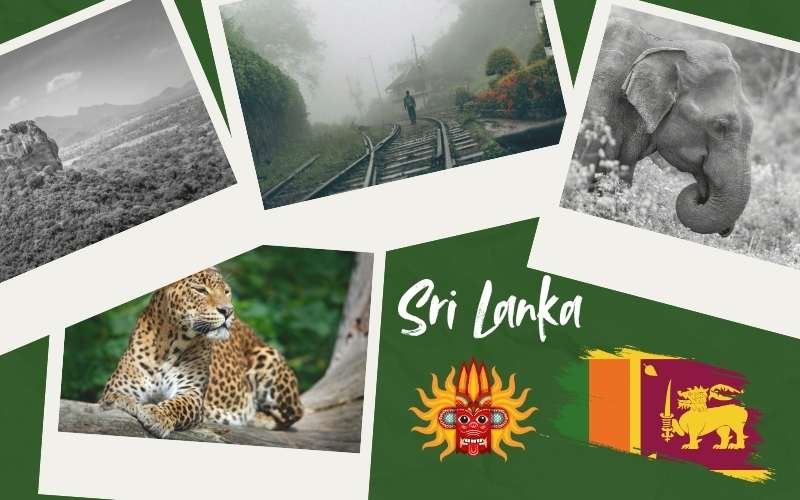
Picture yourself climbing an ancient rock fortress at sunrise, sipping world-renowned tea in misty mountains, and spotting leopards in pristine national parks. Welcome to Sri Lanka, the pearl of the Indian Ocean, where every corner tells a story spanning over 2,500 years of rich history and culture.
As Australia’s leading Sri Lanka travel specialists, Wandarra Experiences has been crafting unforgettable journeys to this incredible island nation for years. Our deep local knowledge and Australian expertise ensure you experience Sri Lanka’s magic safely and authentically. From the cultural triangle’s ancient wonders to the pristine beaches of the south coast, we’ve curated the top 10 must-visit destinations that will make your first Sri Lankan adventure truly extraordinary.
Whether you’re drawn to archaeological marvels, seeking spiritual enlightenment, craving wildlife encounters, or simply wanting to unwind on tropical beaches, this comprehensive Sri Lanka travel guide covers the essential places that capture the island’s diverse beauty and cultural richness.
1. Sigiriya Rock Fortress – The Lion Rock Wonder
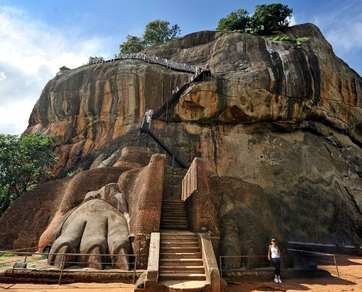
Standing 200 meters above the surrounding jungle, Sigiriya Rock Fortress is arguably Sri Lanka’s most iconic attraction and a UNESCO World Heritage Site that deserves top billing on any Sri Lanka itinerary.
Built in the 5th century by King Kashyapa, this ancient palace complex showcases remarkable engineering and artistry. The climb to the summit takes you past the famous frescoes of celestial maidens, through the Mirror Wall covered in ancient graffiti, and finally between the massive lion’s paws that give the rock its name.
What makes it special: The panoramic views from the top are breathtaking, especially during sunrise when golden light bathes the surrounding countryside. The sophisticated water gardens at the base demonstrate advanced hydraulic engineering that still functions today.
Best time to visit: Early morning (6 AM) or late afternoon to avoid crowds and heat. The climb takes 2-3 hours, so wear comfortable shoes and bring plenty of water.
Pro tip from Wandarra Experiences: Book your tickets in advance and consider staying overnight in nearby Dambulla to catch the spectacular sunrise from the summit. Our Sri Lanka packages include skip-the-line access and expert local guides who bring the ancient stories to life.
2. Kandy – Cultural Heart of Sri Lanka
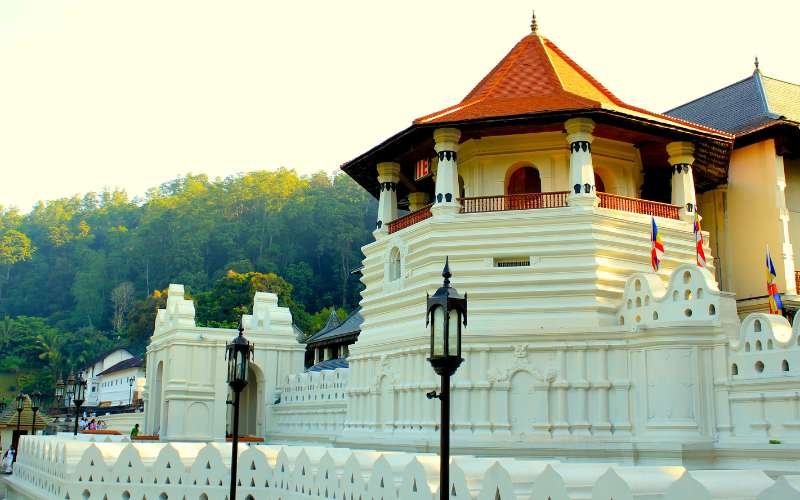
The last royal capital of Sri Lanka, Kandy, seamlessly blends spiritual significance with natural beauty, making it an essential stop for first-time visitors exploring Sri Lanka tourism.
Home to the sacred Temple of the Tooth Relic (Sri Dalada Maligawa), Kandy is Buddhism’s most important pilgrimage site in Sri Lanka. The temple houses a tooth of Lord Buddha, attracting devotees and tourists alike. Beyond its spiritual significance, Kandy offers the beautiful Royal Botanical Gardens in Peradeniya, traditional dance performances, and charming colonial architecture.
Cultural experiences: Witness the evening puja ceremony at the Temple of the Tooth, where drums and chanting create an unforgettable atmosphere. The annual Esala Perahera festival in July/August is one of Asia’s most spectacular religious processions.
Natural attractions: The Royal Botanical Gardens showcase over 4,000 plant species, including a stunning orchid house and giant bamboo grove. Kandy Lake provides peaceful walks in the city center.
Shopping and dining: Browse traditional handicrafts at the Kandy Market and savor authentic Sri Lankan cuisine at local restaurants overlooking the lake.
Travel tip: Kandy serves as an excellent base for exploring the Cultural Triangle, and Wandarra Experiences offers carefully planned itineraries that combine Kandy with nearby attractions like the Pinnawala Elephant Orphanage.
3. Galle Fort – Colonial Charm by the Sea
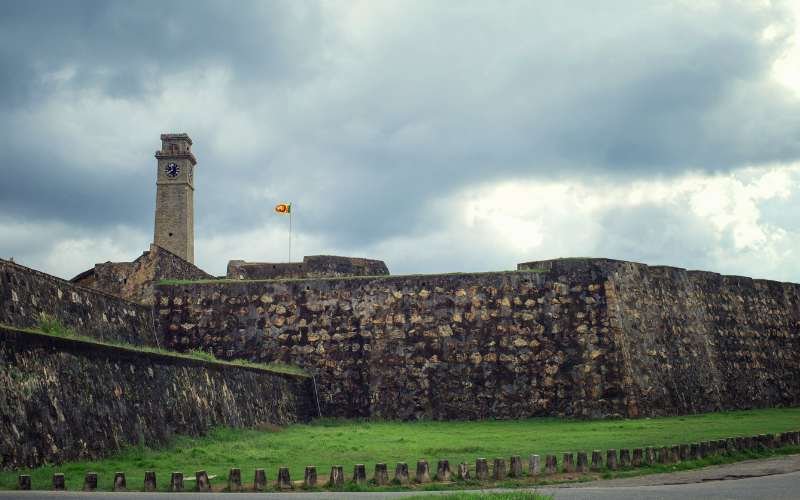
This perfectly preserved Dutch colonial fort on Sri Lanka’s southern coast offers a captivating blend of European architecture and tropical ambiance that makes it one of the best places to visit in Sri Lanka.
Built by the Portuguese in the 16th century and later fortified by the Dutch, Galle Fort is a living heritage site where local families still reside within the ancient walls. Cobblestone streets lead past boutique hotels, art galleries, and cafes housed in restored colonial buildings.
Historical significance: Walk along the fort’s ramparts for stunning ocean views and visit the Maritime Archaeology Museum to learn about the region’s trading history. The iconic Galle Lighthouse offers perfect photo opportunities, especially at sunset.
Modern attractions: The fort has evolved into a cultural hub featuring contemporary art galleries, designer boutiques, and world-class restaurants. Many buildings have been transformed into luxury hotels while maintaining their historical character.
Beach access: Just outside the fort walls, Unawatuna Beach offers golden sand and calm waters perfect for swimming and snorkeling.
Insider experience: Time your visit with the Galle Literary Festival (usually in January) when the fort comes alive with international authors and cultural events. Wandarra Experiences can arrange accommodation within the fort walls for an authentic colonial experience.
4. Ella – Hill Country Paradise
Alt text suggestion: Lush green tea plantations covering rolling hills around Ella town in Sri Lanka
Nestled in Sri Lanka’s hill country at 1,041 meters above sea level, Ella captivates visitors with its cool climate, stunning landscapes, and world-famous tea plantations.
This charming mountain town serves as the gateway to some of Sri Lanka’s most photographed locations. The journey to Ella aboard the scenic train from Kandy or Nuwara Eliya is considered one of the world’s most beautiful railway rides, winding through emerald tea plantations and misty mountains.
Must-see attractions: Little Adam’s Peak offers a relatively easy hike with rewarding panoramic views. Ella Rock provides a more challenging trek for serious hikers. The Nine Arch Bridge, an architectural marvel built without steel, creates Instagram-worthy photos as trains pass through.
Tea plantation experiences: Visit working tea estates like Halpewatte or Dowa Tea Factory to learn about Ceylon tea production and enjoy tastings with mountain views. Many plantations offer guided tours explaining the journey from leaf to cup.
Adventure activities: Zip-lining, hiking, and rock climbing opportunities abound in the surrounding hills. The cooler climate makes outdoor activities particularly enjoyable.
Local culture: Ella’s laid-back vibe attracts travelers from around the world, creating a unique blend of local and international cultures. Cozy cafes and guesthouses offer stunning valley views.
5. Nuwara Eliya – Little England in the Tropics
Alt text suggestion: Victorian-era buildings and manicured gardens in Nuwara Eliya with mountains in the background
Often called “Little England,” Nuwara Eliya transports visitors to a colonial-era hill station complete with Tudor-style buildings, manicured gardens, and a cool climate that provides respite from tropical heat.
Located at 1,868 meters above sea level, this charming town was established by British colonials as a retreat from the lowland heat. Today, it retains much of its colonial character while serving as the heart of Sri Lanka’s tea country.
Colonial heritage: The Grand Hotel, Hill Club, and other colonial-era buildings maintain their old-world charm. Victoria Park offers peaceful walks among well-maintained gardens, and the Nuwara Eliya Golf Club provides one of Asia’s most scenic golf experiences.
Tea experiences: Surrounding the town are some of Sri Lanka’s most famous tea estates, including Pedro and Mackwoods. Factory tours reveal the intricate process of creating world-renowned Ceylon tea, and tastings allow you to sample various grades.
Natural attractions: Gregory Lake provides boating and picnicking opportunities, while Hakgala Botanical Gardens showcase temperate flora typically found in much cooler climates.
Seasonal highlights: Visit during April for the blooming season when the town hosts horse racing and flower shows reminiscent of English countryside festivals.
Climate advantage: The cool weather (15-20°C year-round) makes Nuwara Eliya perfect for those seeking relief from tropical humidity while exploring Sri Lankan highlands.
6. Yala National Park – Wildlife Safari Adventure
Alt text suggestion: Sri Lankan leopard resting on a tree branch in Yala National Park during golden hour
Home to the world’s highest density of leopards, Yala National Park offers Sri Lanka’s premier wildlife safari experience across 979 square kilometers of diverse ecosystems.
This flagship national park combines scrubland, forests, grasslands, and lagoons, creating habitats for over 215 bird species and 44 mammal species. Beyond its famous leopards, Yala harbors elephants, sloth bears, crocodiles, and numerous endemic species.
Wildlife highlights: Sri Lankan leopards are the main attraction, with the best sighting opportunities during early morning and late afternoon safaris. Asian elephants roam in herds, while sloth bears, though elusive, can be spotted with patience and expert guides.
Best safari zones: Block 1 offers the highest leopard density, but it can be crowded. Blocks 2-5 provide more secluded experiences with diverse wildlife viewing opportunities.
Optimal timing: Visit during the dry season (February-July) when animals congregate around water sources. Early morning safaris (6 AM) offer cooler temperatures and active wildlife behavior.
Cultural significance: Ancient Buddhist temples and dagobas within the park demonstrate the area’s historical importance, including the sacred site of Sithulpawwa dating back to the 2nd century BC.
Safari planning: Wandarra Experiences partners with experienced local guides who know leopard territories and behavior patterns, significantly increasing your chances of memorable wildlife encounters while ensuring responsible tourism practices.
7. Anuradhapura – Ancient Capital of Sri Lanka
As Sri Lanka’s first capital and a UNESCO World Heritage Site, Anuradhapura represents over 1,300 years of continuous civilization and remains one of Buddhism’s most sacred cities.
Founded in the 4th century BC, this ancient metropolis showcases remarkable urban planning, sophisticated irrigation systems, and monumental religious architecture that predates many famous historical sites worldwide.
Sacred sites: The Sri Maha Bodhi Tree, grown from a cutting of the tree under which Buddha attained enlightenment, has been continuously maintained for over 2,300 years. Massive stupas like Ruwanwelisaya and Jetavanaramaya demonstrate ancient engineering prowess.
Archaeological wonders: The city covers 40 square kilometers of ruins, including palace complexes, monasteries, and intricate stone carvings. The Abhayagiri Monastery once housed 5,000 monks and remains an active archaeological site.
Spiritual experience: Pilgrims in white clothing create moving scenes as they pray and meditate at sacred sites. Participating respectfully in these rituals provides insight into living Buddhist traditions.
Engineering marvels: Ancient irrigation tanks and canals still function today, demonstrating sophisticated hydraulic engineering that supported a population of several hundred thousand people.
Planning your visit: The site requires a full day to explore properly. Hire a knowledgeable guide to understand the historical significance and religious practices. Dress modestly and remove shoes when entering sacred areas.
8. Polonnaruwa – Medieval Capital Masterpiece
Sri Lanka’s second ancient capital, Polonnaruwa, showcases the pinnacle of medieval Sinhalese art and architecture during its golden age from the 11th to 13th centuries.
This compact archaeological site offers better preservation than Anuradhapura, making it easier to visualize the grandeur of ancient Sri Lankan civilization. The city demonstrates remarkable urban planning and architectural innovation.
Architectural highlights: The Gal Vihara rock temple features four magnificent Buddha statues carved from a single granite rock face, considered among South Asia’s finest stone sculptures. The Lankatilaka temple stands 17 meters high with walls still intact.
Royal heritage: The Royal Palace complex includes the Council Chamber, where the king held court, complete with beautifully carved stone lions. The Lotus Bath demonstrates sophisticated hydraulic engineering and artistic design.
Quadrangle (Dalada Maluwa): This compact area contains the most important religious buildings, including the Circular Relic House and Thuparama, each showcasing different architectural styles and periods.
Parakrama Samudra: This massive man-made reservoir, built by King Parakramabahu I, covers 2,500 hectares and continues to irrigate surrounding farmland today.
Photography opportunities: The site offers exceptional photography conditions with well-preserved structures against scenic backdrops. Golden hour lighting enhances the ancient stonework.
Practical advice: Rent bicycles to cover the expansive site efficiently while enjoying the rural landscape between monuments.
9. Mirissa & Unawatuna – Tropical Beach Paradise
Sri Lanka’s southern coast boasts some of the Indian Ocean’s most beautiful beaches, with Mirissa and Unawatuna offering distinct experiences for beach lovers and water sports enthusiasts.
These neighboring beach destinations provide the perfect conclusion to any Sri Lanka itinerary, offering relaxation after cultural and wildlife exploration in the interior regions.
Mirissa highlights: Famous for whale watching (November-April), Mirissa offers opportunities to spot blue whales, sperm whales, and dolphins. The crescent-shaped beach provides excellent swimming conditions and stunning sunsets. Coconut Tree Hill offers panoramic coastal views perfect for photography.
Unawatuna attractions: Protected by a coral reef, Unawatuna Beach offers calm, safe swimming conditions ideal for families. The bay’s turtle nesting sites provide opportunities to observe conservation efforts. Jungle Beach, accessible via a short hike, offers more secluded swimming.
Water activities: Both beaches offer snorkeling, diving, surfing lessons, and boat trips. Local fishermen provide authentic fishing experiences and fresh seafood dining.
Nightlife and dining: Beachfront restaurants serve fresh seafood and traditional Sri Lankan dishes. Beach bars offer cocktails while watching spectacular sunsets over the Indian Ocean.
Cultural connections: Visit the nearby Japanese Peace Pagoda for panoramic views, or explore Galle Fort just minutes away from Unawatuna.
Seasonal considerations: Best visited November-April during the dry season. May-October brings monsoons but also fewer crowds and lower prices.
10. Dambulla Cave Temple – Ancient Buddhist Art Gallery
The Dambulla Cave Temple complex, carved into a massive rock outcrop, houses the world’s largest collection of Buddha statues and ancient paintings in a single location.
Dating back to the 1st century BC, these five caves demonstrate 2,000 years of continuous Buddhist art and religious practice, earning UNESCO World Heritage status for their exceptional cultural significance.
Cave highlights: Cave 2 (Maharaja Vihara) contains over 150 Buddha statues and extensive wall paintings depicting Buddhist stories. Cave 1 (Devaraja Lena) features a 14-meter reclining Buddha carved from solid rock.
Artistic treasures: The cave walls and ceilings showcase intricate paintings illustrating Buddha’s life, Jataka tales, and Sri Lankan history. Many paintings date to different periods, creating a visual timeline of Buddhist art evolution.
Religious significance: Active monks maintain the temples, and daily prayers create an authentic spiritual atmosphere. Pilgrims from around the world visit these sacred caves for meditation and worship.
Golden Temple: The modern Golden Temple at the base features a 30-meter golden Buddha statue and a museum explaining the site’s history and significance.
Practical planning: The climb involves 400+ steps, so visit early morning or late afternoon to avoid heat. Photography inside caves may require permission fees.
Location advantages: Dambulla’s central location makes it an ideal base for exploring the Cultural Triangle, including easy day trips to Sigiriya, Polonnaruwa, and Anuradhapura.
Essential Sri Lanka Travel Tips
Best time to visit: Sri Lanka’s diverse climate zones mean somewhere is always in season. West and south coasts: November-April. East coast: April-September. Hill country: year-round, though December-March offers the clearest skies.
Getting around: Hiring a driver provides flexibility and local knowledge. Train journeys offer scenic experiences, especially the Kandy-Ella route. Domestic flights save time for longer distances.
Cultural etiquette: Dress modestly at religious sites (cover shoulders and knees). Remove shoes before entering temples. Don’t point feet toward Buddha statues. Ask permission before photographing people.
Health and safety: No special vaccinations required for most travelers. Drink bottled water. Use mosquito repellent, especially in Yala and coastal areas. Travel insurance is recommended.
Currency and costs: Sri Lankan Rupee (LKR). Credit cards are accepted in major hotels and restaurants. Carry cash for small purchases and entrance fees. Tipping is appreciated but not mandatory.
Communication: English is widely spoken in tourist areas. Learning basic Sinhala or Tamil phrases shows respect for local culture.
Packing essentials: Comfortable walking shoes, lightweight clothing, sun protection, modest outfits for temples, a rain jacket during monsoon season, and insect repellent.
Plan Your Perfect Sri Lankan Adventure with Wandarra Experiences
Sri Lanka offers an incredible diversity of experiences packed into a compact island nation. From ancient kingdoms to pristine beaches, wildlife safaris to tea plantations, every traveler finds something magical in this pearl of the Indian Ocean.
As Australia’s trusted Sri Lanka travel specialists, Wandarra Experiences brings years of local expertise and Australian service standards to create your perfect Sri Lankan adventure. Our carefully crafted itineraries ensure you experience these top 10 destinations safely, comfortably, and authentically.
We understand that first-time visitors need expert guidance to navigate Sri Lanka’s rich cultural landscape while maximizing their time on this beautiful island. Our local partnerships and insider knowledge provide access to experiences that typical tourists miss.
Ready to explore Sri Lanka? Contact our expert team today for a free consultation about your dream Sri Lankan journey. Call us at +61415079071 or email info@wandarraexperiences.com.au to discuss customized itineraries that match your interests, budget, and travel style.
Visit www.wandarraexperiences.com.au to discover our complete range of Sri Lanka travel packages, from cultural tours to wildlife safaris and beach holidays. Let us transform your Sri Lankan dreams into unforgettable memories.
FAQ Section for Featured Snippets
Q: What are the must-visit places in Sri Lanka for first-time travelers? A: The top 10 must-visit places include Sigiriya Rock Fortress, Kandy’s Temple of the Tooth, Galle Fort, Ella’s tea country, Nuwara Eliya hill station, Yala National Park for wildlife, ancient capitals Anuradhapura and Polonnaruwa, Mirissa/Unawatuna beaches, and Dambulla Cave Temple.
Q: How many days do you need to visit Sri Lanka? A: A minimum of 7-10 days allows you to see major highlights. Two weeks provides a more comprehensive experience, including cultural sites, wildlife, hill country, and beaches without rushing.
Q: What is the best time to visit Sri Lanka? A: November to April is ideal for the west and south coasts. April to September suits the East Coast. The hill country is pleasant year-round, making Sri Lanka a destination for any season.
Q: Is Sri Lanka safe for first-time travelers? A: Yes, Sri Lanka is generally very safe for tourists. The local people are welcoming, crime rates are low, and tourism infrastructure is well-developed, with English widely spoken.
Q: How much does a Sri Lanka trip cost from Australia? A: Budget travelers can explore Sri Lanka for $30-50 per day, mid-range travelers $50-100 per day, while luxury experiences range from $150-300+ per day, excluding international flights.